Contemporary Philippine Arts
Loading Digital Portfolio…

Philippine Ethnic Arts & Traditions

Exploring Filipino artistry β€” from Cordillera weaves to Visayan festivals and Mindanao craftsmanship.

0 Regions Featured
0 Island Groups
By Clark Derick Tablac
Subject CPAR
Student Clark Derick Tablac
Grade Level Grade 12
S.Y. 2025–2026
~8 min read
About This Portfolio

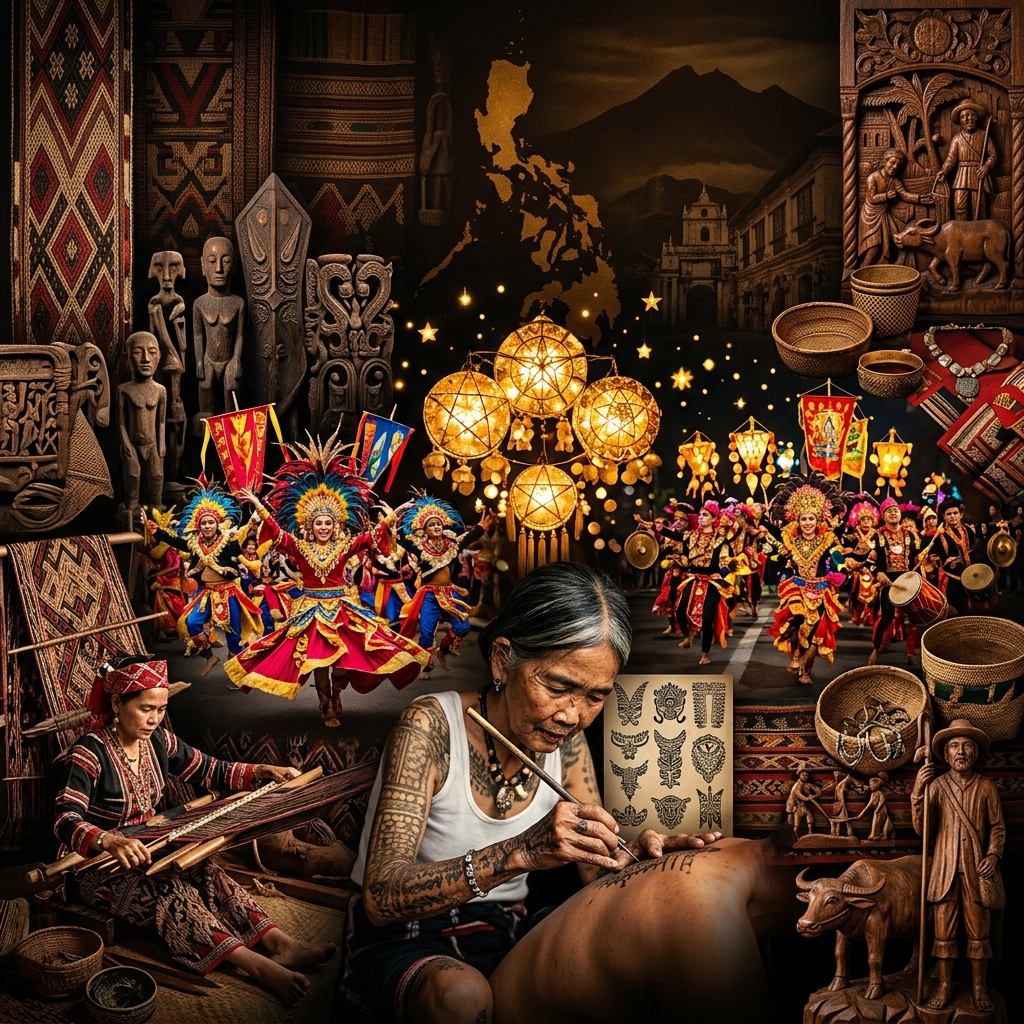
This digital portfolio highlights 8 regions across the Philippine archipelago, showcasing contemporary arts shaped by centuries of indigenous traditions, colonial influences, and modern innovation.

3
Luzon Regions
2
Visayas Regions
2 + 1
Mindanao + NCR
β€” Quick Navigator β€”
1
Cordillera Weaving
CAR
2
Abel Iloco
Region I
3
Giant Lanterns
Region III
4
Ati-Atihan
Region VI
5
Sinulog
Region VII
6
Maranao Okir
BARMM
7
T’nalak Weaving
Region XII
8
Muralism
NCR
Luzon
3 Regions
Cordillera Igorot Weaving
Luzon β€” CAR

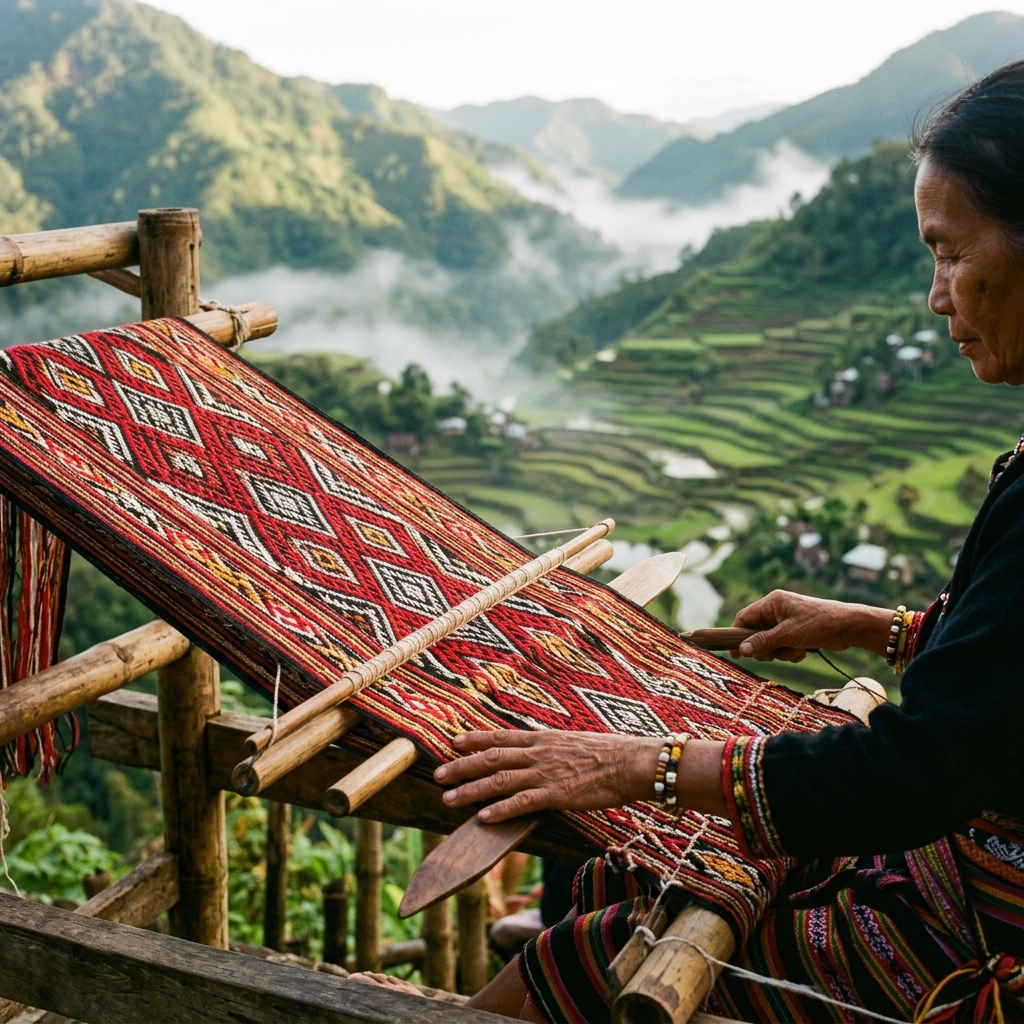
Cordillera Weaving

Cordillera Administrative Region (CAR)

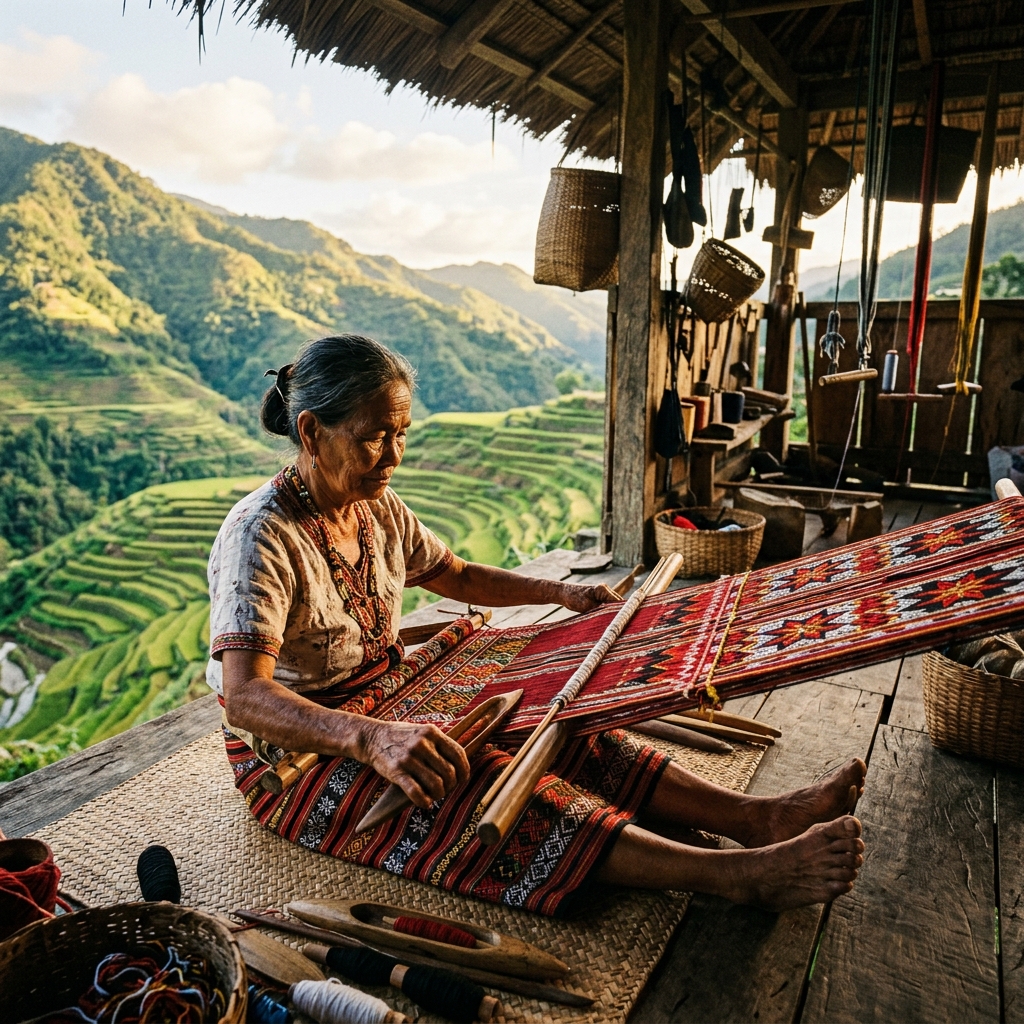
The Igorot peoples of the Cordillera mountains β€” Kankanaey, Ibaloi, Ifugao, Bontoc, and Kalinga β€” practice backstrap loom weaving using bold geometric patterns. Colors carry deep meaning: red for bravery, black for strength, and white for purity. The Kalinga's binakol spiral and Ifugao's gamong stripes denote social status. Today, contemporary weavers blend ancestral motifs with modern fashion.

Abel Iloco Weaving
Luzon β€” Region I

Abel Iloco Weaving

Ilocos Region (Region I)

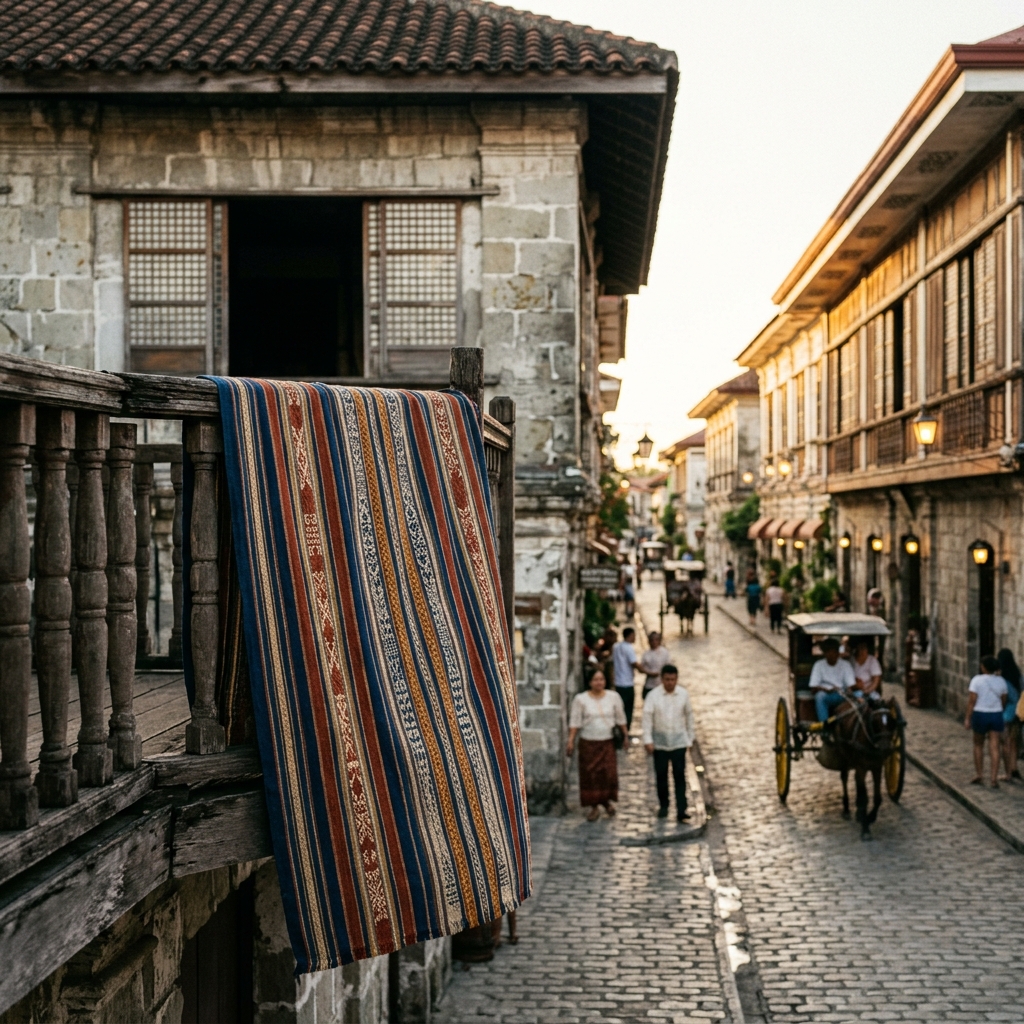
Abel (Ilocano for "to weave") is a traditional handwoven fabric from Pinili, Ilocos Norte, and Vigan, Ilocos Sur. Woven on wooden pedal looms using cotton and native fibers, Abel features vibrant striped binakol patterns in indigo, rust red, and cream. Filipino designers like Patis Tesoro have reimagined Abel for international runways, bridging tradition with haute couture.

Giant Lantern Festival, Pampanga
Luzon β€” Region III

Giant Lanterns of Pampanga

Central Luzon (Region III)

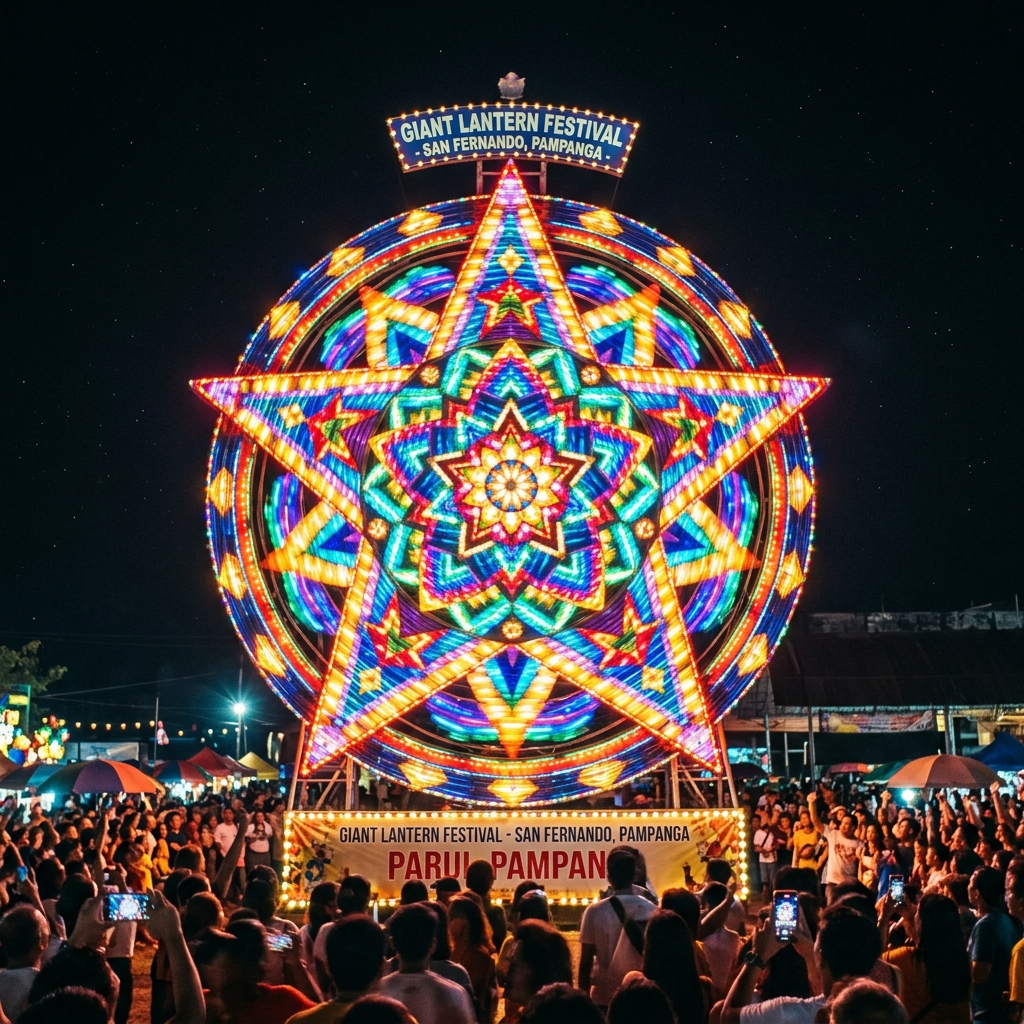
San Fernando β€” the "Christmas Capital of the Philippines" β€” hosts Ligligan Parul, an annual Giant Lantern Festival since 1904. Simple bamboo lanterns evolved into massive parols up to 20 feet in diameter, made of steel, capiz shells, and thousands of synchronized LED bulbs creating kaleidoscopic patterns. Each barangay competes to present the most elaborate design, drawing international tourists.

Visayas
2 Regions
Ati-Atihan Festival, Kalibo
Visayas β€” Region VI

Ati-Atihan Festival Art

Western Visayas (Region VI)

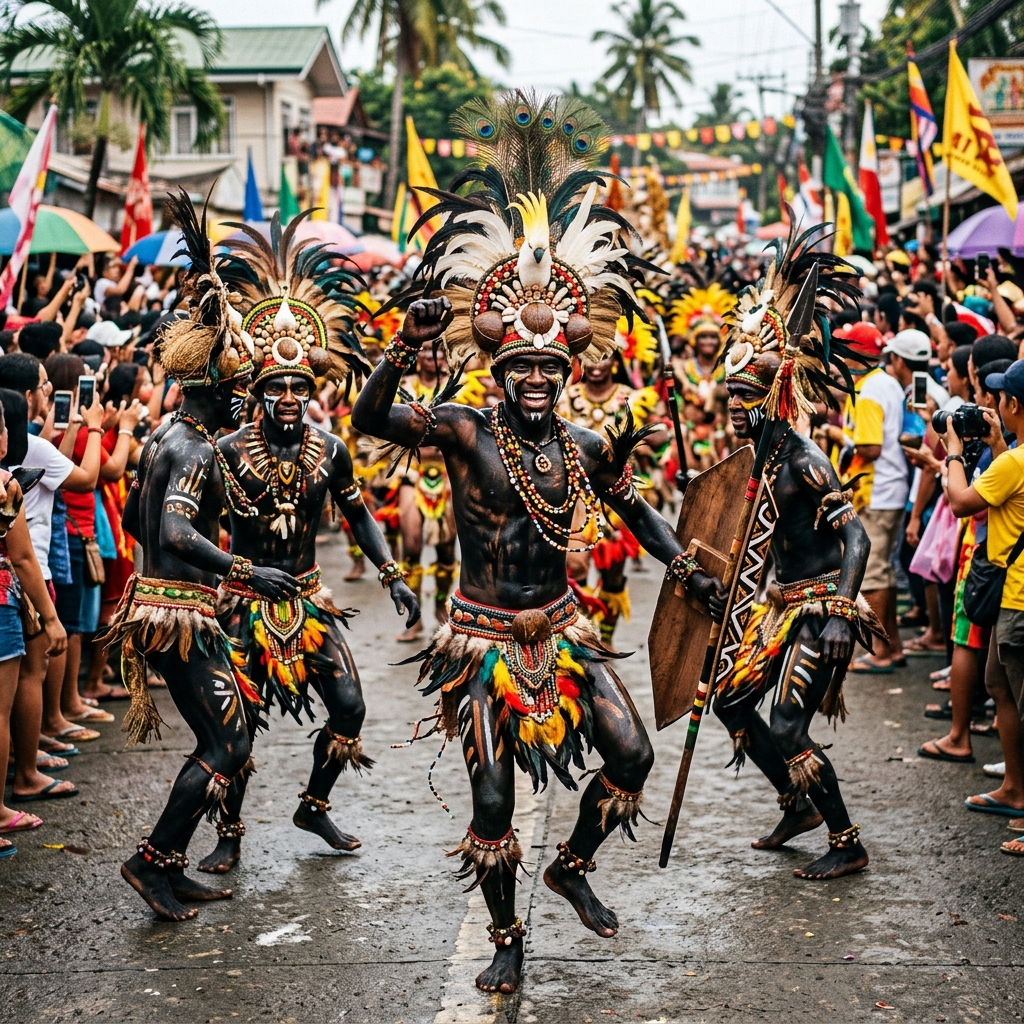
The "Mother of All Philippine Festivals" honors the Santo Niño every January. Participants paint themselves with soot and charcoal to honor the Ati people in a tradition of solidarity. Costumes incorporate coconut shells, feathers, and bamboo, accompanied by hypnotic sadsad drumbeats. The modern festival includes wearable art competitions and large-scale murals.

Sinulog Festival, Cebu
Visayas β€” Region VII

Sinulog Festival Art

Central Visayas (Region VII)

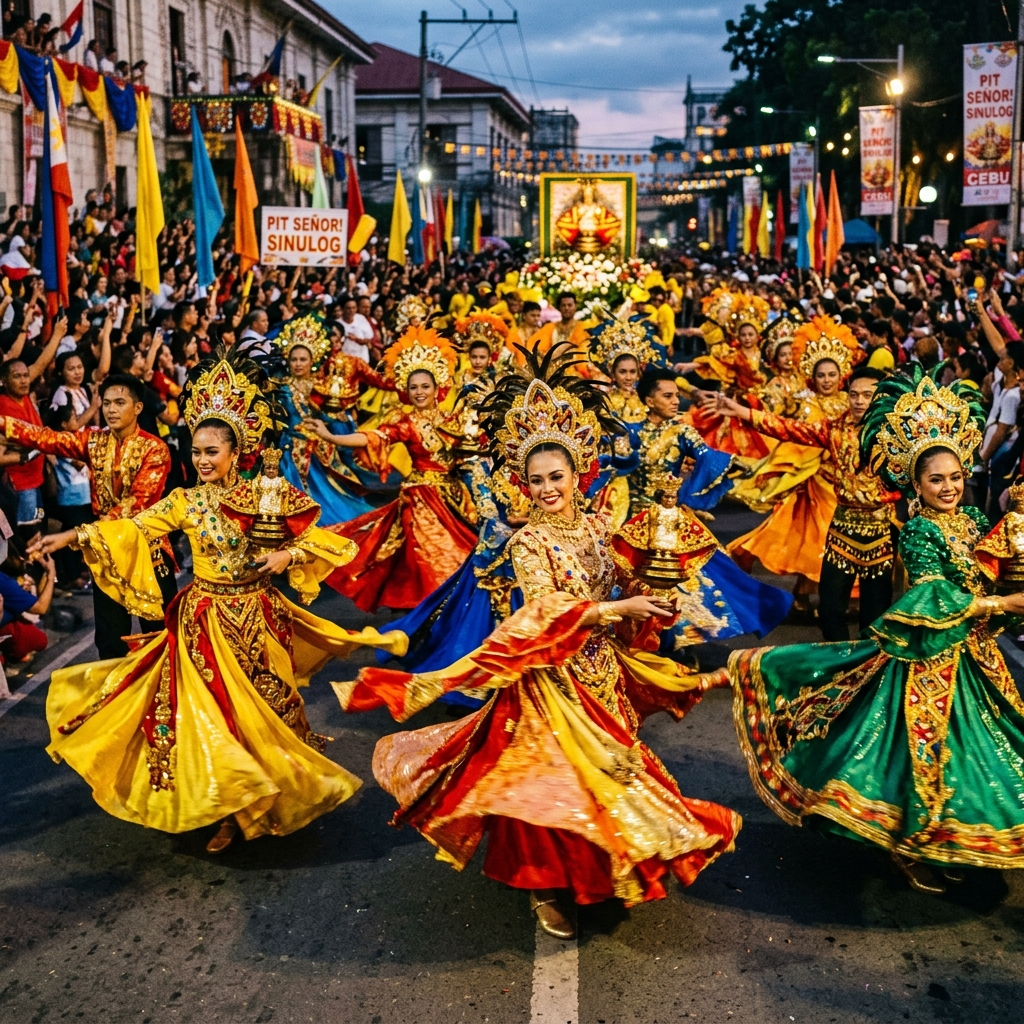
"Sinulog" (from Cebuano "sulog" β€” like water) describes the flowing dance movement honoring the Santo Niño de Cebu. Contingents craft elaborate costumes weighing 50+ pounds from vibrant fabrics, sequins, and feathers. Hundreds of synchronized dancers perform choreographed routines alongside large-scale puppets (higantes) and mobile art floats.

Mindanao
2 Regions
Maranao Okir Wood Carving
Mindanao β€” BARMM

Maranao Okir Art

Bangsamoro Autonomous Region (BARMM)

Okir is Maranao ornamental art combining pre-Islamic motifs with Islamic geometric patterns. Its centerpiece is the Sarimanok β€” a legendary bird that became a national art symbol. Designs feature naga (serpent curves), pako rabong (fern fronds), and floral arabesques, carved into torogan royal houses, boats, and weapons by master okiran carvers. Recognized by UNESCO.

T'boli T'nalak Weaving
Mindanao β€” Region XII

T'boli T'nalak Weaving

SOCCSKSARGEN (Region XII)

T'nalak is a sacred cloth whose patterns come through dreams β€” weavers (be langaw) receive designs from spirit goddess Fu Dalu. Woven from abaca fibers using ikat tie-dye technique with natural pigments, producing deep red-brown, cream, and black palettes. A single cloth takes months. National Living Treasure Lang Dulay dedicated her life to preserving this UNESCO-recognized tradition.

Any Region
1 Region
Manila Contemporary Muralism
Any Region β€” NCR

Contemporary Philippine Muralism

National Capital Region (NCR)

Manila's mural tradition began as 1970s–80s social realist protest art during Martial Law, evolving into a vibrant urban art movement. Key sites include BGC's Art BGC project, Intramuros heritage walls, and Angono, Rizal β€” the "Art Capital." Artists like AG Sano and collective Gerilya address identity, social issues, and cultural pride, transforming urban landscapes into community expression.